
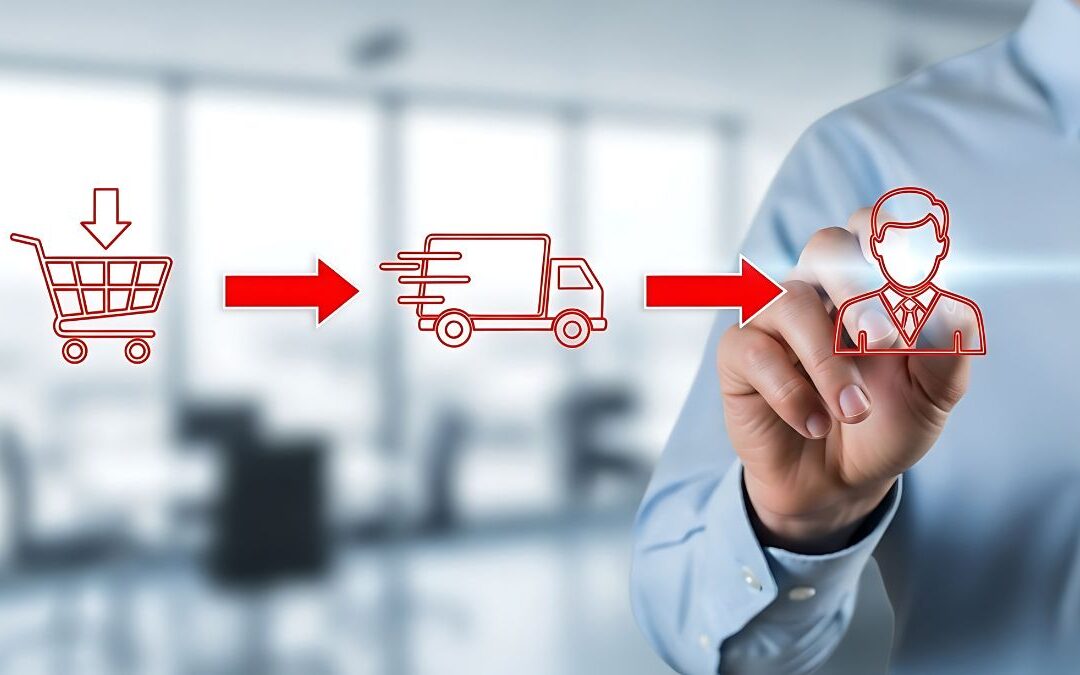
Fast, reliable delivery is what customers expect as a standard. You can’t package it as a ‘nice-to-have” anymore. But behind the scenes, many businesses still don’t fully understand how e-commerce orderfulfilment truly works, or indeed how to set it up for scale, speed and competitive advantage.
Why e-commerce order fulfilment is a competitive differentiator
Customers expect fast delivery. It’s the new normal. They want spotless packaging and real-time updates from checkout to doorstep. And when fulfilment slips, whether it be a late dispatch, damaged parcel or missing items, it will be your brand that takes the hit. A strong e-commerce fulfilment setup can boost customer retention, reduce return rates and enable faster growth through operational agility. This is why some businesses tend to outsource e-commerce fulfilment as it internal resources may not always be there.
Breaking down the e-commerce order fulfilment process steps
Receiving inventory
When stock arrives from suppliers, it must be checked properly. Are the right items there? Are they in good condition? Has everything been correctly logged in your system? If the receiving process is sloppy, those mistakes will spread through every stage of the fulfilment process, from picking to final delivery.
Storage and stock control
After receiving, items are stored in clearly defined zones for easy access. This involves strategic layout planning, real-time tracking systems and clear labelling. Effective storage ensures that high-demand products are readily available and that inventory data is up-to-date across all sales platforms. This prevents overselling and reduces the chance of delays or customer frustration.
Order management and validation
Once an order is placed, it moves into your fulfilment system where payment is verified and stock is allocated. Orders are then automatically routed to the appropriate warehouse or dispatch point. This step relies on real-time inventory updates and accurate tagging of any special delivery requirements.
Picking
Picking involves retrieving the right products from their storage locations. This process might be manual, or it may use batch or wave picking methods to save time, especially at scale.
Packing and labelling
Picked items are then packed securely and labelled for delivery. Packaging must protect the product while also reflecting the brand’s identity, especially for direct-to-consumer retailers. Correct labelling and the inclusion of tracking data are essential for accurate, traceable deliveries.
Dispatch and shipping
Once packed, the order is handed over to a delivery partner for the final-mile journey to the customer. Many businesses use multiple carriers and rely on shipping software to select the most efficient route. Providing customers with tracking updates and delivery ETAs is now standard and often expected.
Returns processing
No matter how great your service is, returns are a natural part of the deal in e-commerce. The key is making this process simple. Provide clear instructions, fast processing and quick refunds/exchanges. Items that pass quality checks can go straight back into stock, while anything unsellable needs to be handled properly.
How e-commerce warehousing and order fulfilment work together
Warehousing and fulfilment are closely intertwined. Warehousing refers to how stock is stored, while fulfilment concerns what happens once an order is placed. For fast, reliable fulfilment, the two must function as a single system. Important factors include:
- Layout design that minimises travel time for pickers
- Warehouse automation for improved throughput
- Integration between warehouse management and order processing platforms
With the right tools, e-commerce warehousing and order fulfilment becomes a streamlined operation, capable of adapting to demand spikes and growth without compromising quality.
How to scale your e-commerce order fulfilment with confidence
Scaling your e-commerce fulfilment is about maintaining speed, accuracy and cost control as you grow. Here’s how we recommend preparing for scale:
- Capacity planning and forecasting: Analyse historical data and market trends to predict future volumes and ensure infrastructure keeps pace.
- Multi-location fulfilment strategy: Store inventory closer to key markets to reduce delivery times and costs.
- Agile staffing and automation: Use a blend of core staff and flexible labour, supported by automation tools that reduce manual workloads.
Conclusion
If you want to stay competitive, you need to get your fulfilment process right. Every step, from taking in stock to handling returns, is a chance to either impress your customers or let them down. A well-run fulfilment operation doesn’t just get orders out the door—it creates loyalty, protects margins, and supports strategic growth. Whether you’re building in-house systems or exploring e-commerce fulfilment services, getting the process right is an investment in your brand’s future.