
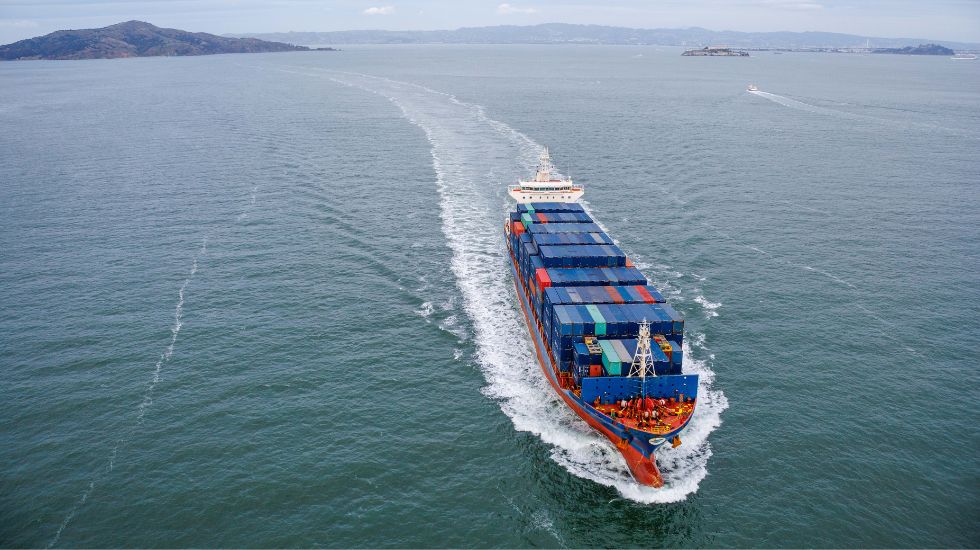
International, suppliers multiply and customers expect reliable stock availability. The freight task may still look familiar, but the planning pressure changes. Capacity, cost and risk need to be considered together before container shipping starts to affect cash flow, customer commitments or growth plans.
For many UK businesses, the issue is not a lack of knowledge of shipping. It is that ad hoc habits no longer fit the scale of the business. A one-off movement can be managed by hand. Regular imports, multi-supplier orders, seasonal peaks and export commitments need more structure.
Key takeaways
- Plan container shipping around demand, supplier readiness and stock availability, not the lowest freight quote alone.
- FCL shipping and LCL shipping can both support growth, depending on volume, shipment frequency, cash flow and delivery deadlines.
- Container shipping costs include origin handling, freight, customs, inland haulage, storage, demurrage, detention and warehousing impact.
- Container freight risk often appears before the vessel sails, through poor forecasting, late documents, missed cut-offs or unclear ownership.
- Visibility, customs readiness and warehouse capacity matter as much as the ocean leg when container shipping becomes regular.
What does international container shipping mean for a growing business?
International container shipping is the movement of goods in shipping containers across borders, usually by sea with road, rail or warehouse activity at either end. For a growing business, the real planning issue is not only how goods move, but how container decisions affect stock, cash, suppliers and customers.
At smaller volumes, a business may treat each shipment as a separate task. As orders grow, supplier lead times, container availability, shipping schedules, UK import clearance, port release and final delivery all start to affect whether stock arrives when the business needs it.
This is why growing businesses need a container shipping guide that connects freight decisions to operating decisions. Where the basics need a deeper explanation, Uniserve’s wider UniOcean sea freight service content covers FCL, LCL and wider ocean freight support.
How should growing businesses plan container capacity before booking?
Capacity planning should start with demand and supplier readiness, not the sailing date. A business needs to understand order volume, shipment frequency, cargo-ready dates, peak periods, warehouse intake capacity and whether the shipment is better suited to FCL shipping, LCL shipping or a mixed approach supported by
A practical capacity plan should answer four questions. How much stock is needed, and by when? Which suppliers can meet the cargo ready date? Is there enough volume for a full container, or is shared space more sensible? Can the receiving warehouse handle the delivery when it arrives?
Businesses often under-plan the receiving side. A container that arrives on time can still create cost and delay if there is no booking slot, labor, racking space or onward distribution plan. Warehouse capacity should be tested before container space is booked, ahead of seasonal stock builds.
Capacity, cost and risk planning framework
| Planning area | What to check | Why it matters |
| Capacity | Forecast demand, order volume, container model, shipment frequency and warehouse receiving capacity | Prevents container plans from outgrowing stock control, supplier readiness or warehouse space |
| Cost | Ocean freight, origin charges, UK haulage, customs, duty, storage, demurrage, detention and handling | Shows the full landed cost rather than the freight rate alone |
| Risk | Documentation, commodity codes, supplier handover, port cut-offs, routing, visibility and contingency options | Reduces needless delays and supports earlier decisions when plans change |
How do you choose between FCL shipping and LCL shipping?
Choose FCL or LCL by looking at volume, timing, handling needs, stock value, cash flow and predictability. FCL can provide more control when volume is sufficient. LCL can protect cash flow and flexibility where shipments are smaller or more frequent. Neither is automatically better for a growing business.
| Decision factor | FCL shipping may fit when | LCL shipping may fit when |
| Volume | You have enough cargo to justify a dedicated container | You do not need, or cannot fill, a full container |
| Stock planning | Larger replenishment drops suit the forecast | Smaller, more frequent shipments reduce stock holding |
| Handling | You want fewer shared handling points | You can accept consolidation and deconsolidation stages |
| Cash flow | Larger shipment values are manageable | Smaller shipment values support working capital control |
| Deadline | Direct container control supports the plan | The delivery window allows consolidation lead time |
| Risk | Cargo control and reduced handling matter | Flexibility matters more than dedicated container control |
The decision may change overtime. A business moving from occasional imports to regular international freight planning may use LCL for test volumes, then move selected lanes to FCL once demand becomes predictable. For readers comparing the models in more depth, Uniserve’s guide to LCL and FCL shipments explains how the two options differ.
What affects container shipping costs?
Container shipping costs are shaped by more than the ocean freight rate. The total cost can include origin handling, documentation, customs, duty, port charges, inland transport, storage, demurrage, detention, warehousing and the cost of stock arriving too early or too late, particularly where
A low freight quote can be a poor decision if it creates wider cost. Longer lead times can increase buffer stock. Poor visibility can force emergency replenishment. Late clearance can create storage charges. A delivery that lands before the warehouse is ready can create congestion and handling costs.
Growing businesses should compare container options using landed cost and service risk. Once volumes become regular, finance and operations teams need clearer assumptions around shipment frequency, service type, duty exposure, inland haulage and warehousing impact.
How can businesses reduce container freight risk?
Container freight risk is reduced by controlling the decisions that are inside the business’s influence. That includes supplier readiness, accurate documentation, customs preparation, realistic lead times, port cut-off management, visibility, buffer stock and contingency planning. External disruption cannot always be avoided, but weak preparation makes disruption harder to manage.
Documentation should be checked before cargo moves. Commercial invoices, packing lists, bills of lading, certificates of origin, EORI details, commodity codes, Incoterms and licence requirements all affect clearance. Errors can delay cargo even when the vessel arrives as planned.
Customs planning should not sit at the end of the process. If the goods are regulated, of high value, subject to preference claims or moving across multiple borders, customs input should come earlier. Uniserve’s customs clearance and compliance services support businesses that need to reduce clearance risk across international movements.
Visibility is another risk control. The earlier a business sees a missed supplier deadline, documentation issue, vessel change or customs query, the more options it has. Late visibility usually means fewer choices and higher pressure on operations teams.
How should businesses connect container planning to stock availability?
International freight planning affects stock availability because container decisions shape when goods are available for sale, production or distribution. The key is to plan backwards from the stock requirement, then align supplier handover, container model, sailing schedule, customs readiness and warehouse intake around that date.
This matters most when the business has seasonal demand, campaign stock, production schedules or customer service levels to protect. The sailing date is only one part of the timeline. Goods still need to be produced, packed, collected, cleared, shipped, released, delivered and received.
For growing businesses, the best planning approach is cross-functional. Logistics, purchasing, sales, finance and warehouse teams should work from the same demand assumptions and shipment milestones.
Real-world planning scenarios
Scenario: growing eCommerce brand moving from parcels to containers
A growing eCommerce brand may start by importing small consignments, then reach a point where containers become more efficient. The planning challenge is to avoid moving too quickly into large stock positions without demanding certainty.
A sensible approach is to use LCL for early growth, then move predictable SKUs into FCL once volume and sales velocity support it. The business should plan warehouse receiving, product launch dates and customs documents before the first larger container movement is booked.
Scenario: seasonal retailer building stock for peak demand
A seasonal retailer needs container planning to protect the market window. The highest risk is not always the ocean leg. Late supplier handover, missed cut-offs, incomplete documents, poor route choice or warehouse congestion can all affect whether stock is available at the right time.
The planning focus should be earlier booking, supplier milestone control, realistic lead time ranges, customs readiness and priority intake at destination. If critical items fall behind schedule, the business may need to split the shipment and move selected stock by faster alternatives.
Scenario: manufacturer recovering from repeated shipment delays
A manufacturer facing repeated delays should review the full shipment journey, not only the carrier schedule. Common issues include late supplier readiness, unclear Incoterms, inaccurate product data, inconsistent documentation and limited visibility after cargo collection.
The right response is usually a tighter operating model. That may include standard supplier instructions, earlier document checks, clearer escalation points, better milestone visibility and a clear backup plan for production-critical components.
What role should a logistics partner play in international freight planning?
A logistics partner should help growing businesses make better planning decisions across capacity, cost and risk. That means testing whether the shipment should be moved as FCL or LCL, checking customs readiness, reviewing warehouse impact, improving visibility and helping the business prepare before freight becomes urgent.
This role is broader than booking container space. As shipment frequency rises, shipping container logistics needs to support purchasing, inventory, finance and customer commitments. A good partner should challenge weak assumptions, flag needless risk and help the business decide when to change model, route or timing.
Uniserve supports this broader view through sea freight, customs, warehousing, distribution and visibility capabilities. Its Global Trade Management approach helps businesses look at the supply chain as one connected operation, rather than a set of separate freight tasks.
FAQs
What is international container shipping?
International container shipping is the movement of goods across borders in standard shipping containers, usually by sea with inland transport at origin and destination. For businesses, the main planning issue is how container movements affect stock availability, cash flow, customs clearance and customer commitments.
How do you choose between FCL and LCL shipping?
Choose FCL when shipment volume, timing and control justify a dedicated container. Choose LCL when smaller, more frequent shipments suit demand, cash flow or supplier availability. Many growing businesses use both, depending on product type, forecast confidence and delivery deadlines.
What affects container shipping costs?
Container shipping costs are affected by freight rates, origin charges, documentation, customs, duty, port handling, inland haulage, storage, demurrage, detention and warehousing. The wider business cost can also include stockouts, excess inventory and missed customer commitments.
How can businesses plan container capacity more accurately?
Businesses can plan capacity more accurately by linking demand forecasts, supplier cargo-ready dates, order cycles, container model, peak periods and warehouse receiving capacity. Planning should work from the required stock date, not only from the available sailing.
How can businesses reduce container freight risk?
Businesses can reduce container freight risk by checking documents early, agreeing Incoterms, confirming commodity codes, managing supplier deadlines, building realistic lead time ranges, monitoring shipment milestones and preparing backup options for high-risk stock.
Planning container shipping as the business grows
International container shipping should become more structured as the business grows. The right plan connects capacity, cost and risk before the shipment is booked, then keeps those decisions visible through supplier handover, customs, transport, warehousing and final delivery.
FCL and LCL are both useful tools. The right choice depends on demand, volume, timing, cash flow and risk tolerance. When those inputs are planned together, container shipping can support growth rather than create pressure around stock, cash and customer service.
Speak to Uniserve about container shipping planning
If your business is moving from occasional shipments to regular container shipping, Uniserve can help review capacity, cost and risk across the full journey.
Speak to Uniserve about planning FCL, LCL, customs, warehousing and visibility around your next stage of growth.